
The Role of Swimming Pools in Healthy Living
Swimming pools have become an important part of modern life because they provide entertainment, exercise, and relaxation. People from different age groups enjoy swimming for both fun and health benefits. During summer, swimming pools become one of the most popular places for spending free time. Whether located in homes, schools, hotels, or sports clubs, swimming pools create an environment where people can refresh themselves and escape from daily stress.
Swimming is known as one of the most effective forms of exercise. It involves the movement of the entire body, helping to improve muscle strength swimming pool and flexibility. Unlike many land exercises, swimming reduces pressure on the joints, making it suitable for people of all ages. It is especially beneficial for elderly individuals and those recovering from injuries. Regular swimming can improve blood circulation, strengthen the heart, and increase lung capacity. Many fitness experts believe that swimming is one of the safest and healthiest activities for maintaining physical fitness.
Apart from physical health, swimming also supports mental well-being. Water has a calming effect that helps reduce anxiety and stress. After a long and tiring day, spending time in a swimming pool can refresh the mind and improve mood. Many people use swimming as a way to relax and escape from the pressures of daily life. Studies have shown that physical activities like swimming can increase happiness and improve overall mental health.
Swimming pools are also important for teaching life-saving skills. Learning how to swim can help prevent drowning accidents and increase personal safety around water. Schools and community centers often arrange swimming classes for children and beginners. Professional instructors teach swimming techniques, water safety, and rescue methods. These skills are valuable and can save lives during emergencies.
In addition, swimming pools contribute to social and family life. Friends and relatives often gather around pools for parties, celebrations, and weekend activities. Children enjoy playing water games, while adults use the time to relax and communicate with others. Hotels and resorts attract visitors by offering clean and beautiful swimming pools as part of their facilities. In many tourist destinations, pools are considered a major attraction for guests.
However, maintaining a swimming pool requires responsibility and care. Pool water must be cleaned regularly using filters and chemicals to prevent bacteria and diseases. The surrounding area should remain clean and safe to avoid slips and accidents. Lifeguards and safety equipment are also important, especially in public swimming pools where many people gather.
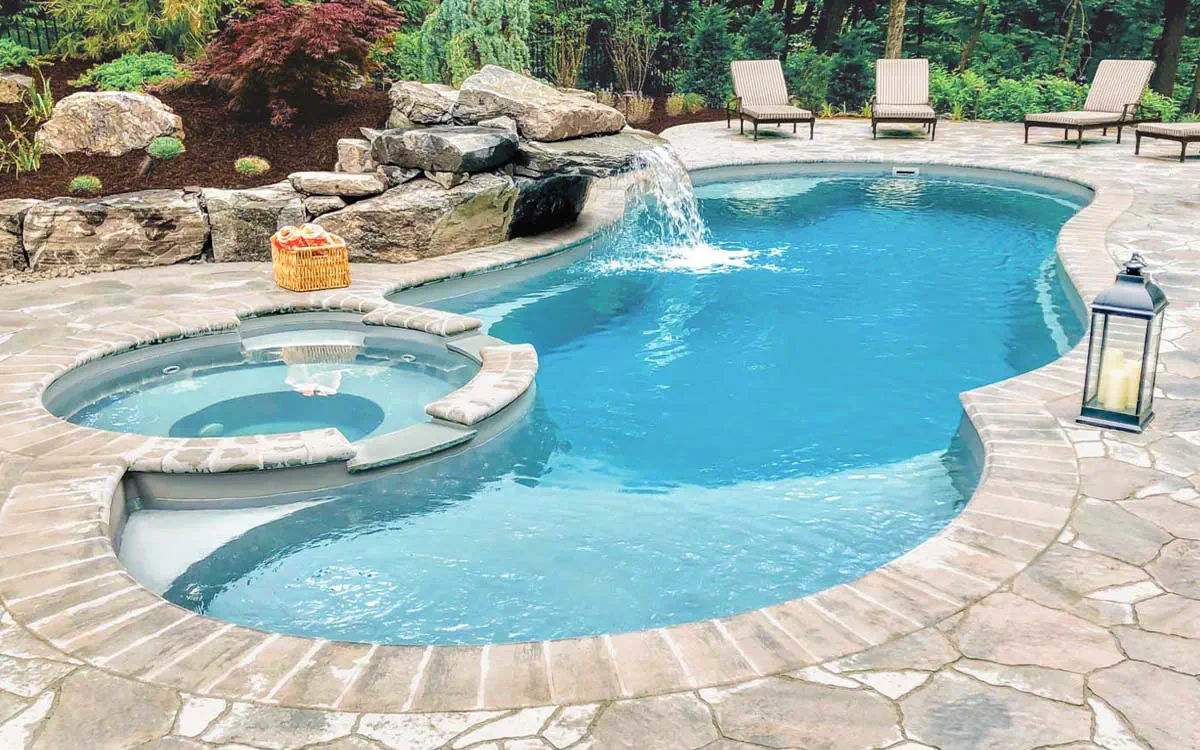
Modern technology has improved swimming pool design and maintenance. Today, many pools include automatic cleaning systems, underwater lighting, and temperature controls. Some luxury pools are designed with waterfalls, wave systems, and decorative features that make them more attractive and enjoyable.
In conclusion, swimming pools are valuable places that support healthy living, relaxation, and social interaction. They offer numerous physical and mental health benefits while creating opportunities for enjoyment and learning. When properly maintained and safely managed, swimming pools become a positive addition to communities and everyday life.…